Pets Feel Energy Too: Signs Your Animal Needs Emotional Healing
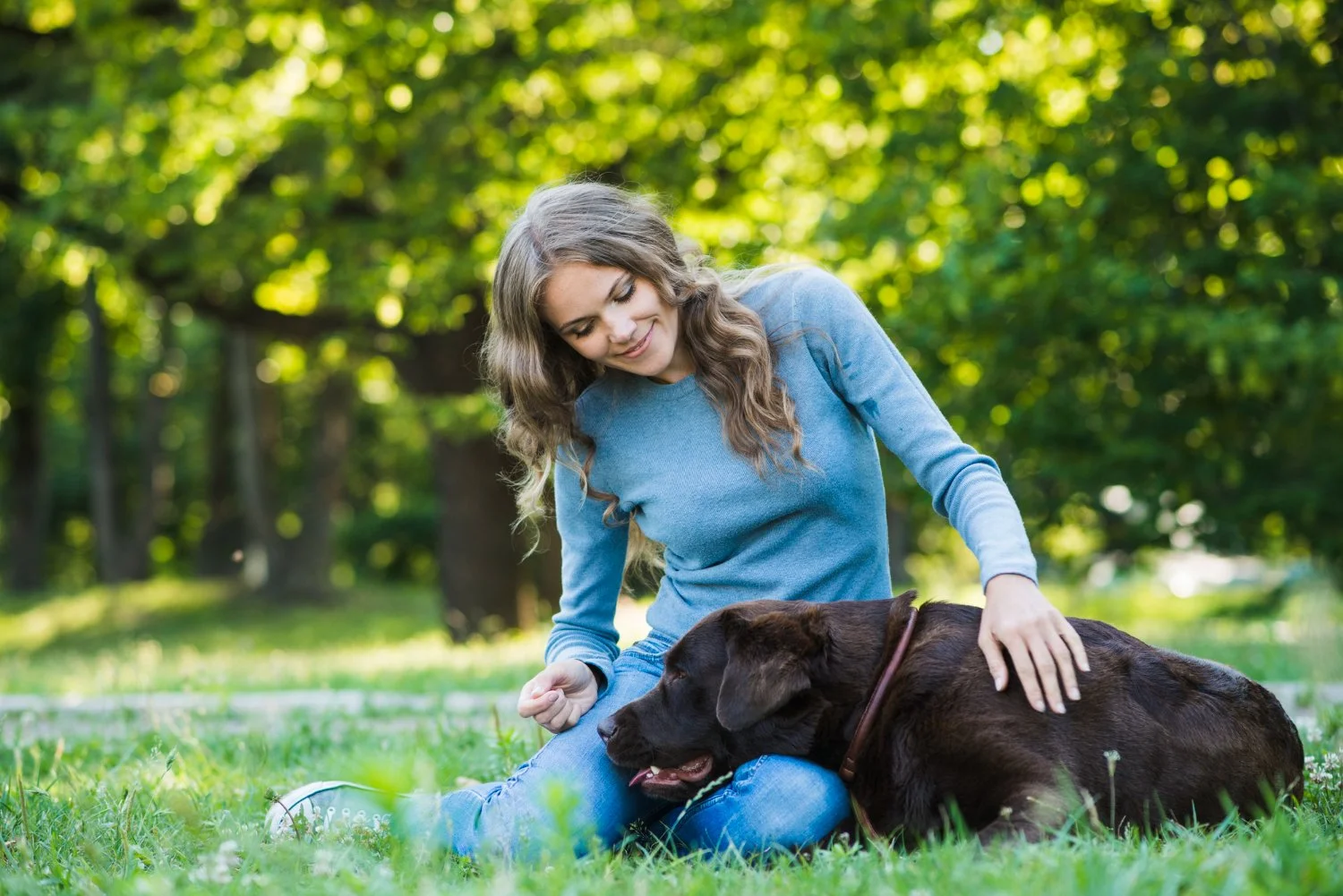
Pets are more than companions—they are deeply intuitive beings that often respond to the emotional energy around them. Many pet owners notice changes in their animal's behavior during stressful periods, major life transitions, or emotional challenges within the home. Emotional well-being also plays an important role in a pet's overall quality of life. Just like humpet's your pets physical health is affected by their emotional health.
At Marc Healing Arts, we believe that animals are highly sensitive to energy. Through pet energy healing, compassionate guidance, and holistic support, many pet owners explore ways to help their beloved companions feel calmer, more balanced, and emotionally connected.
In this article, explore common signs that your pet may need emotional healing for their emotional, and thus physical, well-being, how energetic imbalances can affect animals, and how working with a spiritual energy worker and receiving spiritual coaching may help strengthen the bond between you and your pet.
Can Animals Be Affected by Emotional Energy?
Animals naturally perceive emotions that humans often overlook. Dogs, cats, horses, birds, and many other animals can detect changes in body language, tone of voice, and emotional states with remarkable sensitivity.
When households experience:
Stress
Grief
Divorce
Illness
Financial pressure
Moving to a new home
Loss of another pet
Changes in routine
Pets may absorb that emotional atmosphere. Some animals become withdrawn, while others may display anxiety or behavioral changes.
This doesn't necessarily mean something is physically wrong, but it may indicate that your pet could benefit from emotional support alongside proper veterinary care.
Signs Your Pet May Need Energetic Healing
Every animal expresses emotions differently, but some common signs include:
1. Sudden Anxiety or Restlessness
If your normally calm pet suddenly appears nervous, constantly paces, or struggles to relax, emotional stress could be contributing to the behavior.
Maybe this is happening in the household:
Family conflict
Travel
Adoption
Loud events
Major household changes
Energy healing practices aim to encourage relaxation and emotional balance.
2. Changes in Behavior
Behavioral changes often communicate what animals cannot express with words.
Examples include:
Increased aggression
Excessive barking or meowing
Withdrawal from family
Fearfulness
Clinginess
Avoiding favorite activities
While medical causes should always be ruled out first, emotional factors may also play a role.
3. Loss of Interest in Play
Animals naturally enjoy exploration and interaction.
If your pet suddenly loses enthusiasm for:
Toys
Walks
Playing
Family interaction
They may be experiencing emotional fatigue or stress.
Supporting emotional wellness may help restore confidence and engagement.
4. Difficulty Adjusting After Loss
Animals experience grief too.
Many pets mourn after:
The loss of another pet
A family member passing away
Separation from an owner
Adoption from previous homes
Some pets stop eating, sleep more, or appear emotionally distant during periods of grief.
Gentle pet healing sessions are often sought by owners looking for holistic support while their animals process emotional changes.
5. Unexplained Fear
Some animals suddenly become fearful of:
Certain rooms
Visitors
Sounds
Traveling
Being alone
If no medical or environmental cause can be identified, emotional healing practices may offer additional support in helping pets regain a sense of calm.
How Does Pet Healing Work?
Pet healing is based on the idea that all living beings possess an energetic field. When emotional stress accumulates, this energetic balance may become disrupted.
A healing session typically focuses on encouraging relaxation and supporting the body's natural ability to restore balance.
Many pet owners report observing improvements such as:
Greater calmness
Better sleep
Increased affection
Reduced anxiety
More relaxed behavior
It's important to understand that energy healing is considered a complementary wellness practice and should never replace veterinary diagnosis or treatment.
The Connection Between Owner and Pet
One of the most fascinating aspects of energy work is the close emotional connection between pets and their owners.
Animals often mirror the emotional state of the people they love.
For example:
| Owner's Emotional State | Possible Pet Response |
|---|---|
| Chronic stress | Restlessness or anxiety |
| Grief | Withdrawal or sadness |
| Anger | Hypervigilance |
| Calmness | Relaxed behavior |
| Emotional healing | Increased trust and connection |
Because of this bond, many spiritual coaching sessions focus not only on the pet but also on helping owners create a more peaceful emotional environment.
Why Work with a Spiritual Energy Worker?
A compassionate spiritual energy worker helps individuals explore emotional balance, energetic awareness, and holistic well-being for themselves and, in some cases, their animal companions.
Rather than diagnosing illness, a spiritual energy worker provides supportive practices that may include:
Guided energy sessions
Emotional clearing techniques
Intuitive insights
Relaxation methods
Meditation practices
Energy balancing
These approaches aim to support harmony between pets and their families.
Spiritual Coaching for Pet Owners
Sometimes the greatest healing begins with the owner.
Pets naturally respond to changes in their environment and the emotional state of those around them.
Through spiritual coaching, owners may learn to:
Manage personal stress
Develop greater emotional awareness
Strengthen intuitive communication
Create calmer home environments
Build deeper bonds with their pets
Support their own emotional healing journey
As owners become more centered, many notice positive shifts in their pet's behavior as well.
Creating a Healing Environment at Home
Even small daily habits can help support your pet's emotional well-being.
Consider:
Maintaining a consistent routine
Providing quiet resting spaces
Spending uninterrupted quality time together
Gentle physical affection (if your pet enjoys it)
Daily walks and enrichment
Calm communication
Mindful breathing before interacting with anxious pets
These simple practices encourage trust and emotional security.
When to Seek Veterinary Care
Although emotional healing can complement overall wellness, it is essential to consult a licensed veterinarian whenever your pet experiences:
Persistent loss of appetite
Difficulty breathing
Sudden aggression
Seizures
Significant weight loss
Chronic pain
Mobility issues
Ongoing behavioral changes without explanation
Medical conditions should always be properly evaluated before exploring complementary holistic approaches.
Supporting Your Pet's Emotional Well-Being
Animals give unconditional love and often absorb far more of our emotional world than we realize. By paying attention to behavioral changes, creating a nurturing environment, and exploring holistic wellness practices like pet energy healing, many pet owners discover new ways to support their companions' emotional health.
At Marc Healing Arts, we understand that healing is about connection, compassion, and balance. Whether you're seeking guidance from an experienced spiritual energy worker or looking for spiritual coaching to strengthen the relationship between you and your pet, holistic support can become a meaningful part of your wellness journey.
Every pet deserves to feel safe, loved, and emotionally supported—and sometimes, healing begins with the energy we share together.
Frequently Asked Questions
Is pet energy healing safe for animals?
Pet energy healing is considered a gentle, non-invasive complementary wellness practice. It is intended to support emotional balance and relaxation and should always be used alongside—not instead of—professional veterinary care when medical concerns are present.
How do I know if my pet could benefit from pet energy healing?
Some pet owners explore pet energy healing when their animals seem unusually anxious, withdrawn, fearful, or emotionally unsettled after major life changes such as moving, adopting a new pet, or losing a companion. A veterinarian should first rule out any underlying medical conditions.
Can a spiritual energy worker help both pets and their owners?
Yes. Many people choose to work with a spiritual energy worker because the emotional connection between pets and their owners is often very strong. Supporting the owner's emotional well-being may also contribute to a calmer, more balanced home environment for the pet.
What happens during a pet energy healing session?
Each practitioner has their own approach, but sessions typically focus on creating a peaceful environment while encouraging energetic balance and emotional relaxation – whether your healing practitioner conducts the session in person or, like Marc Healing Arts, conducts sessions remotely.
Can spiritual coaching improve my relationship with my pet?
Spiritual coaching can help individuals develop greater emotional awareness, reduce personal stress, and strengthen mindful communication. Many pet owners find that becoming more emotionally centered positively influences their connection with their animals.
Which pets can receive energy healing?
While dogs and cats are the most common recipients, many holistic practitioners also work with horses, rabbits, birds, and other companion animals. Every animal is unique, and the approach should always respect the pet's comfort and well-being.
How many pet energy healing sessions are usually recommended?
The number of sessions and frequency varies depending on the pet's individual needs, emotional history, and current circumstances. Some owners notice positive changes after a single session, while others choose ongoing support during periods of transition or stress.
Can pet energy healing replace veterinary treatment?
No. Pet energy healing is a complementary holistic practice and is not a substitute for diagnosis, medication, surgery, or treatment provided by a licensed veterinarian. Any persistent physical or behavioral concerns should always be evaluated by a veterinary professional first.